

Summer, coded on me
A reconstructed day in Cairo, from someone moulded by its heat, who left.
Someone is turning a dial somewhere I can’t see. By June the air has a weight to it that wasn’t there in March. By July, I can feel it before I’ve even left my bed. I lived most of the year in Cairo and went to school there, with a three-month summer break. We’d stay there maybe half of it, sometimes fitting in a weekend beach trip to Ismailia in the north-east, if we were lucky. Then, every year, we’d fly to England to my mum’s side of the family, to escape the worst of it.
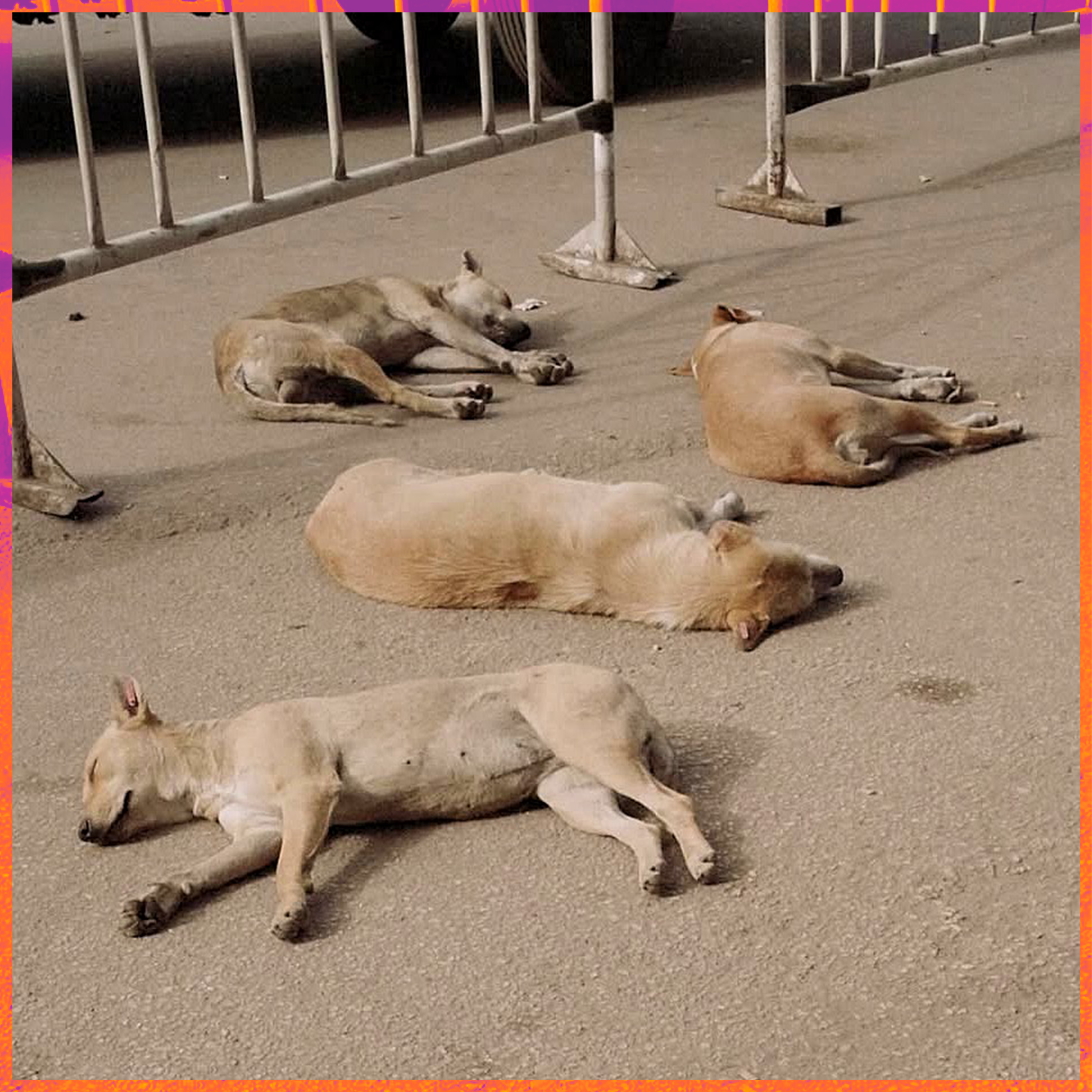
End of September we’d return to a hot hairdryer blowing in your face with no off switch. The streets had a dusty hue, everything slightly muted and coated, broken only by the glare of colourful shop signs. On cars and underneath them, stray dogs slept in the shade they’d made for themselves, leaving dust outlines like crime scene silhouettes. Cats watched from flat rooftops, lounging, completely unbothered. To me, Cairo in summer smells like white jasmine, fire-grilled corn, hot garbage and exhaust fumes, often all at once. It isn’t always romantic, but it’s the smell of a city fully and completely alive.
Morning: the street
The sounds arrive before I fully wake up. As a kid, I’d lie still for a moment and let it wash over me: horns beeping, the clang of a spanner against a metal milk canister as the seller does his rounds. Before I even open my eyes, I know exactly where I am.
You’d lower a basket from your balcony with money in it and wait, the seller taking the money and leaving a full canister, you hauling it back up. My sister and I would fight over who got to do it, the choreography of getting it past the washing lines, timing the money right. Transactions like these are a complete social system: trust between neighbours, the street and the home in constant conversation, a network of mutual dependence.
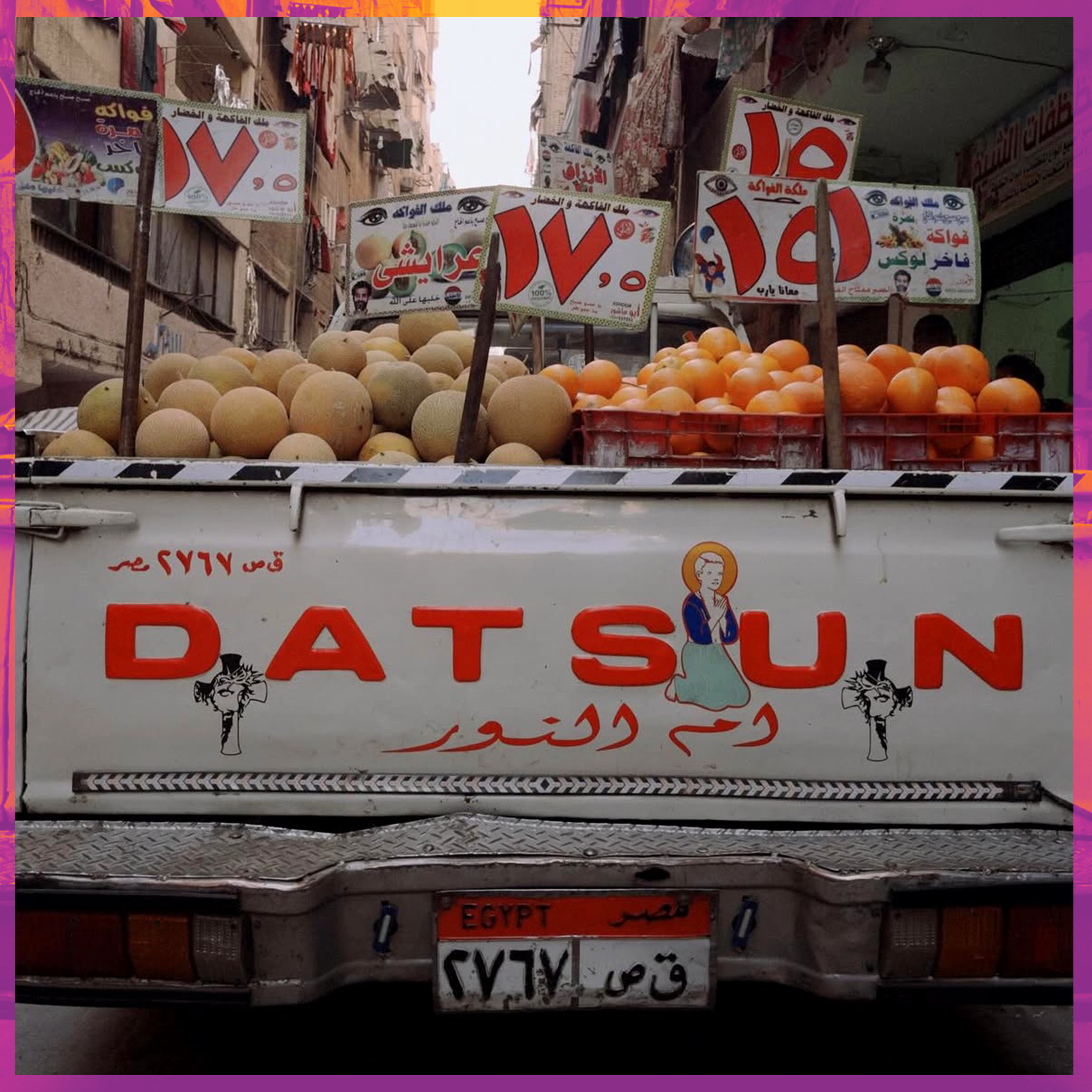
Fruit, sugarcane and jasmine sellers work the same streets. White yasmeen (jasmine) garlands sold from carts and hung from taxi mirrors as a natural air freshener, covering the smell of cigarettes chain-smoked from the driver’s window. A small act of beauty in a hot car, the instinct to make something lovely out of whatever’s available. Alongside it, the smell of corn grilling outside the naadi — the sports clubs and parks where members socialise in the summer, the burnt smell drifting from streets away. The naadis in Cairo tell you a lot about status: members only, those who can afford it. The corn outside its gates is available to everyone.
A donkey brays somewhere nearby; I know what comes next. My teta’s explanation was always the same: he has seen the shaytan, a force of evil, and she’d raise her right palm, saying khamsa wa khamseen (“fifty-five”), repeated to ward it off. This isn’t superstition in the dismissive Western sense, it’s just embedded into ordinary Egyptian life. My teta knew this, and so did the donkey, apparently.
Midday: the stillness
At the hottest point of the day, Cairo goes quiet, never silent, just slower. The energy is pooled inward, movement suddenly effortful. I used to fight it as a child. Now I understand it was wisdom.
Wooden shutters closed, apartments existing in darkness. A plastic water bottle frozen and rolled onto your bed to cool it before you nap. The calculation of which route has the most shade. A bag of mini cucumbers to snack on, cold. Each of these is how an Egyptian family like mine navigates heat without air conditioning, the generational wisdom of people who live inside the heat rather than behind a wall of cold air. It’s passed down without being written down and is completely invisible to anyone who’s never needed it. The craving for air conditioning gets satisfied in the mall, the cinema, or anywhere artificially cold.

 | A guest post by
|