

What stood out to me about Begum Karan’s entry to the series was its bittersweetness. It cherishes the sensory delights of Turkish Aegean summer, with a wistful awareness of how Turkey is changing. Her words evoke memories wrapped in joy, like sarma. And belonging brewed with water and heat, like cezve coffee. But also a quiet tension—between the euphoria of returning home, and the melancholy of watching its soul slip away. The place of her childhood summers, once vibrant and free and welcoming, is wilting. And so, while you might enjoy the romantic side of Begum’s remembering, I hope you can sit with its ambivalence. Because this is what it’s like to be from a Mediterranean hotspot, while others simply pass through. And in her case, to love the sea but not the season. I hope you can appreciate it all.
A t m o s f e r
Q1. What scents, sounds, tastes, or places spark a feeling of summer, before memory even kicks in?
The mineral smell of sunscreen. Waking up to cicadas chirping in the morning. The scent of tomatoes at breakfast. And of course, the entire Born to Die album by Lana Del Rey.
On the Bodrum peninsula, walking along Türkbükü or the marina in Yalıkavak, shopping or ice-cream in hand.
The farmer’s markets in Çeşme (Izmir) in the morning, hiding from the heat under the cloth tents, shopping for summer fruit.
A small fish restaurant that sits right on the beach with mezzes, calamari and garlicky shrimp casserole decorating the table. The slowly crashing waves mix with the clinking of raki glasses and old Turkish songs playing. All small fragments of summer to me.
A n ı
Q2. Tell us about a summer memory that’s stayed with you. Something joyful, ethereal or bittersweet. Why do you think it stuck?
I used to go to a summer camp with my grandparents and mum almost every summer in Gümüldür, İzmir. I haven’t been there in ages but I remember it being such a beautiful place, full of big trees and a long stretch of beach. In the late afternoons, the sea would get rough with these huge waves rolling in. My mum and I used to play in these waves, letting them crash into us, laughing. I think it stuck because it felt like time ceased to exist. The only thing left was us playing and waiting for the next wave to come.
S ı c a k l ı k
Q3. What’s your relationship to heat? Do you crave it, escape it, endure it?
I endure it. I’m a September baby—autumn has my heart. I’m all for the in-between, not feeling too hot or cold. Staying perfectly in the middle. The clamminess of skin, sweating and heat clinging onto everything can feel a bit overwhelming. I always seek out a little summer rain for a small break from the heat. The more unexpected, the better.
D i l
Q4. Is there a word or expression in your language that captures a unique aspect of the Mediterranean? What does it convey?
Yaz rehaveti. Translates to ‘the lethargy or slowness of summer’, especially when the heat dulls the day into stillness. Yaz is ‘summer’. And the word rehavet describes lassitude, laziness, feeling like a weight falls on your body like a sleepy post-lunch state. Think cicadas, reading a book in the shade and not rushing anything or wanting to lift a finger.
G e r g i n l i k
Q5. What’s something about heat, and how it’s experienced in your country, that you feel conflicted or jaded about?
When I was younger, summer meant road trips, escaping the city boredom, open-air concerts, eating fruit on the beach, and lounging on the porch swing between a shower and dinner. Now, it’s forest fires on the news and rising costs everywhere. Summer feels like a privilege: it’s something you have to afford. Enjoying the heat is a privilege.
I find myself escaping Turkey every summer now, either staying in London, favouring the city, or hopping over to Greece more often. Or seeking out more secluded places rather than the place where I spent most of my summers, Bodrum. It’s a conflicted feeling—leaving behind the rituals of summer in Turkey, but also escaping the overpriced reality that comes with high season and high heat. I know this is something most Turks can relate to.
E ğ i l i m
Q6: Is there a summertime trend or behaviour you feel needs to cool off?
Private beaches and beach clubs.
It’s become a part of summer in Turkey now. Entry fees alone can hit €150 in places like Bodrum. Every summer, the news is about how much they’re selling lahmacun (Turkish pizza) for in these beach clubs, and how much the entry fee is. It’s so tragic that it’s funny. It’s become a meme.
But also a status thing: if you don’t post a story at the trending beach club, does your summer even count? What you’re doing is a signal, driven by that summertime FOMO.
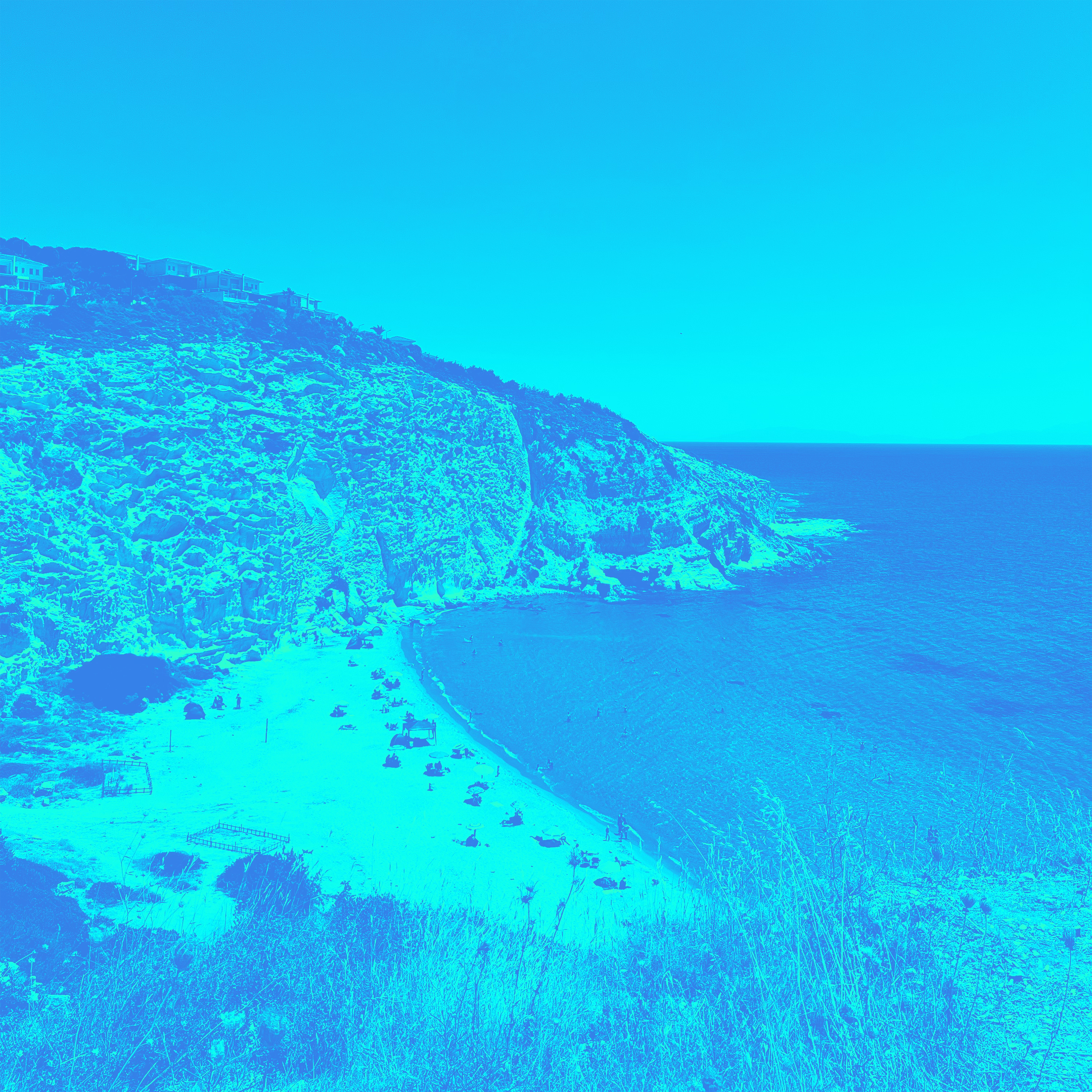
Public beaches are vanishing, coastlines sold off to hotels and privatised, only to be polluted with imported white sand. Beautiful coastal land burns down, then gets built on for hotels. All part of living with a corrupt government. Access to the sea has turned into a luxury.
G e l e c e k
Q7. If you could preserve one Mediterranean thing for future generations to inherit, what would it be?
The ritual of a beach day. Grabbing food from the vendors walking by with corn, stuffed mussels, and iced almonds paired with a bag of fruit brought from home, all tossed in the middle of a table to share. Having an ice cream for a sweet treat.
It’s simple, care-free and joyful. We need to cherish the small moments and the simple mundane days. I hope it’s something the future generations will come to enjoy in their time—hopefully with less stress and more freedom.
Thanks for reading! If you enjoyed this post, be sure to…

thank you for having mee!! long live the aegean alliance 🌊